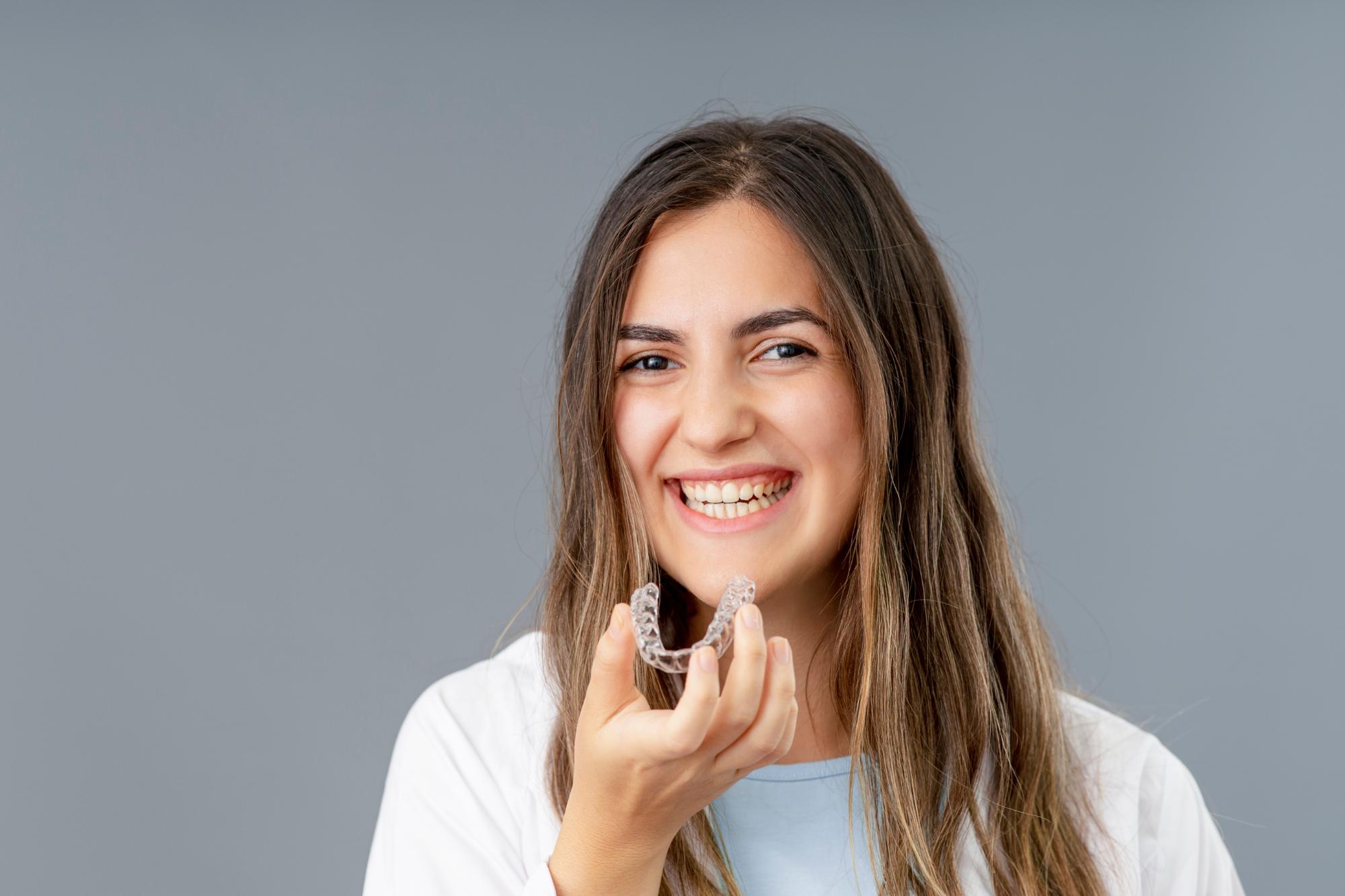
The Typical Invisalign Timeline
For a straightforward case, such as mild crowding or minor spacing, treatment often wraps up in six to twelve months. More complex bite corrections can run twelve to eighteen months or longer. Teens and adults tend to fall in similar ranges, though adult bone is fully mature, which can mean certain movements take a little more time. The aligners themselves are swapped on a schedule your orthodontist sets, commonly every one to two weeks, with each new set nudging your teeth a small, planned amount closer to their final position.
What Affects How Long Invisalign Takes
Several factors decide whether your treatment lands at the shorter or longer end of the range:
- Wear time. Invisalign only works while the trays are in your mouth. Wearing them twenty to twenty-two hours a day keeps you on schedule. Leaving them out for meals, photos, and long stretches is the most common reason treatment drags on.
- Case complexity. Rotating teeth, closing large gaps, and correcting bite problems all take more steps than simply straightening a few front teeth.
- Attachments and accessories. Small tooth-colored attachments and elastics help the aligners grip and guide teeth more precisely, which can shorten the path for tricky movements.
- Following the plan. Showing up for check-ins and switching to each new tray on time keeps progress steady and predictable.
Why Consistency Matters More Than Anything
Invisalign rewards routine. Because the trays are removable, the responsibility for keeping treatment on track sits largely with you. Patients who build wear time into their day, keeping trays in except to eat, drink anything other than water, and brush, almost always finish closer to the original estimate. Patients who frequently forget to put them back in can add weeks or months without realizing it. If you are weighing clear aligners against fixed options, our team explains both during a visit, and you can read more about discreet clear aligners in Frisco before you decide.
Invisalign for Adults and Teens
Clear aligners have become a popular choice for grown-ups who want a low-profile way to straighten their teeth, and they work just as well for many teens. If you are an adult wondering whether it is worth starting now, it usually is. We cover this in detail in our guide to adult orthodontics in Frisco. For a full look at removable options across our practice, our Invisalign treatment page walks through how the system works from first scan to final retainer.
How We Keep Your Treatment on Schedule
At your first visit, Dr. Doug Jensen reviews digital scans and images to map out exactly how your teeth will move and roughly how many sets of aligners you will need. That plan gives you a realistic finish date from day one. Throughout treatment, regular check-ins let us confirm your teeth are tracking as designed and make small adjustments early if anything drifts. As a board-certified orthodontist, Dr. Doug Jensen brings the specialty training that helps complex cases stay efficient rather than stretching out unnecessarily.
If you are ready to find out what your specific timeline would look like, schedule a consultation and we will give you a straight answer based on your smile, not an average.
Frequently Asked Questions
How long does Invisalign take on average?
Most patients finish in six to eighteen months. Simple cases can be done in under a year, while more involved bite corrections take longer. Your orthodontist gives you a personalized estimate after reviewing your scans.
Does Invisalign work faster than braces?
For many mild to moderate cases the timelines are comparable. Invisalign can feel faster when worn consistently, because progress depends heavily on keeping the trays in for twenty to twenty-two hours a day.
What happens if I do not wear my aligners enough?
Teeth stop tracking with the current tray, and treatment slows down. You may need to wear a set longer or, in some cases, have your plan adjusted. Consistent wear is the single biggest factor in finishing on time.
Do I have to wear a retainer after Invisalign?
Yes. Once your teeth reach their final position, a retainer holds them there. Skipping it allows teeth to shift back over time, so retention is part of every successful treatment.